1. What is 2FA?
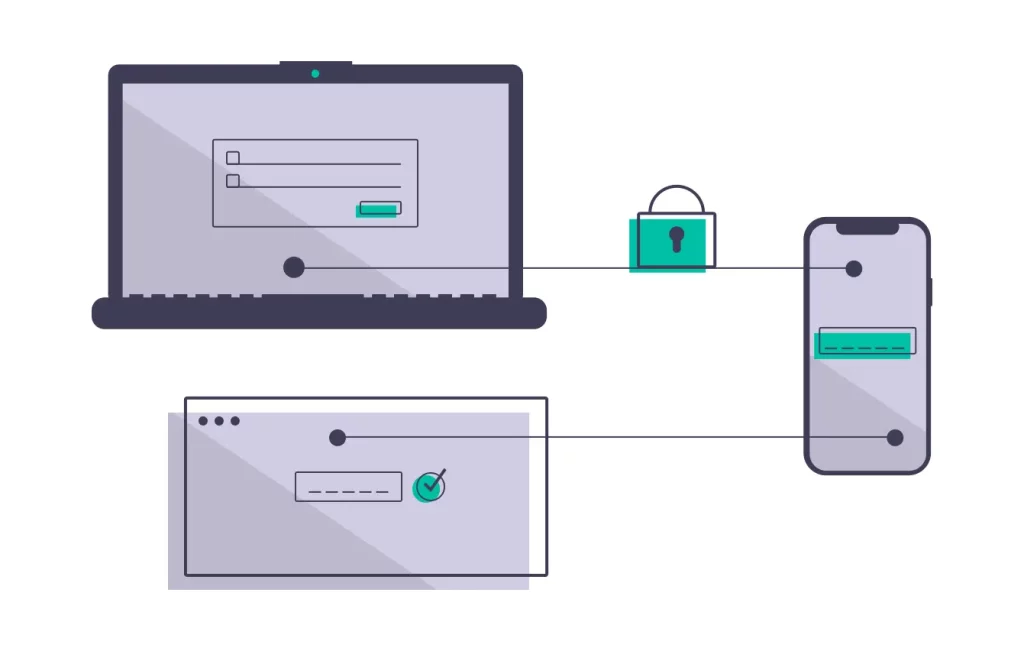
Two-Factor Authentication (2FA), also known as Multi-Factor Authentication (MFA), is an advanced security layer designed to protect user accounts from unauthorized access. Instead of relying solely on a username and password, 2FA/MFA requires users to verify their identity using two or more independent authentication factors. By adding extra layers of security beyond a username and password, 2FA/MFA helps ensure that only authorized users can log in to your website.
How 2FA / MFA Works
When a user attempts to log in, they must verify their identity using two or more authentication factors. These factors typically fall into the following categories:
- Something you know
Passwords or personal identification numbers (PINs). - Something you have
One-Time Passwords (OTP) sent via SMS or email, authentication apps such as Google Authenticator or Microsoft Authenticator, or physical security keys. - Something you are
Biometric verification such as fingerprints, facial recognition, or voice recognition.
Key Benefits of 2FA / MFA
- Enhanced protection against unauthorized access
- Reduced risk of phishing, brute-force, and credential-stuffing attacks
- Increased user confidence and trust in your website
- Improved compliance with cybersecurity and data protection standards
- Stronger security for sensitive data, transactions, and admin access
Why Your Website Needs 2FA / MFA
Passwords alone are no longer sufficient to protect modern digital platforms. Implementing 2FA or MFA significantly strengthens your website’s security posture by adding critical verification steps that protect both users and business data—even if login credentials are compromised.
Conclusion
Two-Factor Authentication and Multi-Factor Authentication are essential security features for any modern website. By introducing multiple layers of identity verification, you create a safer, more reliable digital environment while demonstrating a strong commitment to data security and user privacy.